What is a Brake Vacuum Pump and How Does It Work?
The Brake Vacuum Pump plays a crucial role in modern vehicles. It assists in the operation of the braking system. By creating a vacuum, it enables smoother and more efficient braking. Many drivers may not fully understand its importance.
This device can be found in various cars, particularly those with gasoline engines. It helps improve braking performance, especially in vehicles lacking sufficient manifold vacuum. The reliability of the Brake Vacuum Pump can significantly enhance driver safety.
However, some may encounter issues, leading to a loss of braking efficiency. Regular maintenance checks can prevent such problems. Understanding how this pump works can empower drivers to ensure safe operation.
What is a Brake Vacuum Pump?
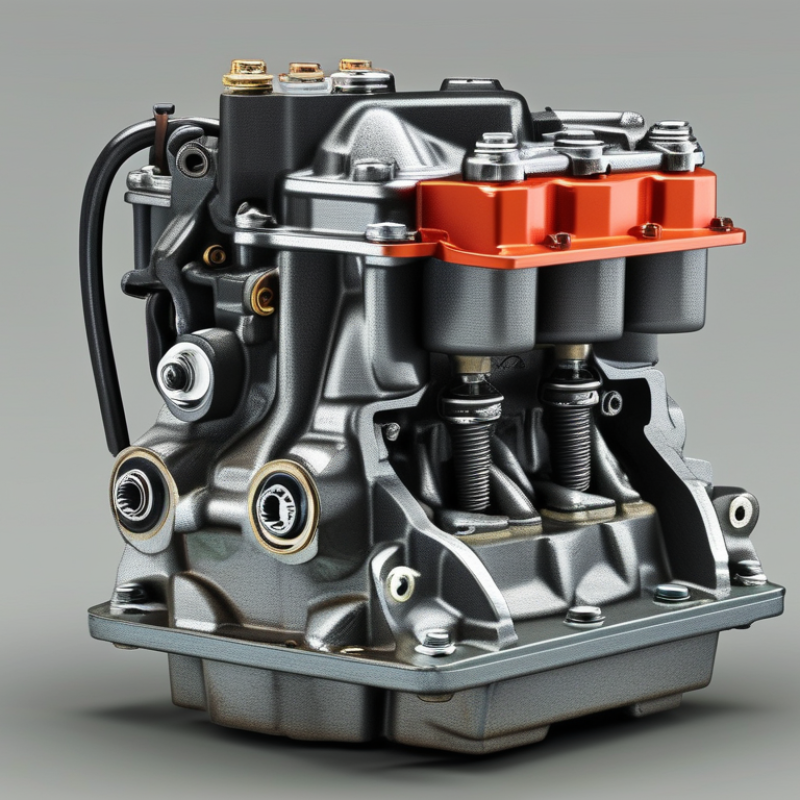
A brake vacuum pump is a crucial component in many modern vehicles. It generates the vacuum pressure needed for the brake booster to function effectively. This pressure assists in amplifying the force applied on the brake pedal, making it easier for drivers to stop their vehicles. Without a properly functioning vacuum pump, braking efficiency can decrease significantly.
The operation of a brake vacuum pump involves creating a vacuum by removing air from an enclosed chamber. When the driver presses the brake pedal, the brake booster uses this vacuum to enhance the braking mechanism. It's fascinating to note how such a small device plays a vital role in vehicle safety. If there are issues with the vacuum pump, drivers may feel a harder brake pedal and experience reduced braking power.
Many mechanics observe that the symptoms of a failing vacuum pump often go unnoticed until they worsen. Regular maintenance checks can identify problems early on. Paying attention to unusual sounds or changes in braking performance can prevent more significant issues down the road. While vacuum pumps are generally reliable, their importance in vehicle safety cannot be understated.
Brake Vacuum Pump Performance Metrics
This chart illustrates the performance metrics of brake vacuum pumps based on various parameters.
The Purpose of a Brake Vacuum Pump in Vehicles
The brake vacuum pump in vehicles is crucial for effective braking. It generates the vacuum necessary for power brake systems. Without this component, the brake pedal would require significantly more effort to engage. This can compromise safety and handling during emergencies.
Many vehicles use engines to create vacuum pressure, but this is not always sufficient. When the engine is idling or during certain driving conditions, the vacuum may not be adequate for optimal braking performance. This is where the brake vacuum pump steps in, ensuring consistent and reliable brake function regardless of engine performance.
For better brake performance, it’s wise to keep an eye on the vacuum pump's condition. Regular maintenance can prevent premature wear and tear. Consider checking for vacuum leaks, as they can diminish the efficiency of the braking system. A small issue may lead to larger, costly problems later. Regular inspections can help ensure that your brake vacuum pump works as it should.
How Brake Vacuum Pumps Generate Vacuum Pressure
Brake vacuum pumps play a crucial role in modern vehicles, generating the necessary vacuum pressure for effective braking. These pumps operate by creating a low-pressure environment that enhances the force applied by the brake pedal. This increase in pressure improves the responsiveness of the braking system. According to industry reports, around 35% of new vehicles produced in 2022 incorporated brake vacuum pumps, underscoring their significance in contemporary automotive design.
The vacuum is generated when the pump pulls air out of a designated chamber, usually a diaphragm or piston mechanism. Specific models can achieve up to 25 inches of mercury (inHg) vacuum pressure, making them efficient for various braking applications. A vacuum gauge typically measures this pressure, allowing technicians to assess the pump's performance during routine checks. However, not all vehicles utilize vacuum pumps; some rely solely on hydraulic systems or turbocharged engines. This variation can sometimes lead to confusion in maintenance practices.
Challenges can arise if the vacuum pump fails. In such scenarios, drivers might notice increased brake pedal effort. Reports from automotive experts highlight that inadequate vacuum can lead to longer stopping distances. Recognizing these issues early can prevent more significant safety risks. Engineers continuously explore ways to enhance pump efficiency and reliability. Advanced designs, such as electronic vacuum pumps, are being developed to meet evolving safety and performance standards.
Common Types of Brake Vacuum Pumps and Their Uses
Brake vacuum pumps play a crucial role in enhancing vehicle safety. They create a vacuum that boosts the power of the brake system. Understanding the common types of brake vacuum pumps can help diagnose issues effectively. Two main types are electric and mechanical pumps. Electric pumps rely on a motor to create vacuum pressure. They are often used in hybrid and electric vehicles. Mechanical pumps, meanwhile, are driven by the engine's operation. They are prevalent in traditional combustion vehicles.
Electric vacuum pumps offer various advantages. They provide a consistent vacuum, regardless of engine speed. This can lead to improved braking performance, especially in stop-and-go traffic. However, they may consume more electrical power, impacting fuel efficiency. Mechanical pumps offer reliability, but their performance can fluctuate with engine speed. This variability might lead to inconsistent braking power at lower RPMs.
While both types have merits, practical issues can arise. Transitioning from a mechanical to an electric pump requires careful consideration of the vehicle's electrical system. Additionally, ensuring proper installation is vital to avoid leaks. Regular maintenance checks can identify early signs of wear and tear, enhancing overall safety. Understanding these types allows vehicle owners to make informed decisions.
Troubleshooting and Maintenance Tips for Brake Vacuum Pumps
Brake vacuum pumps are crucial for efficient braking. Regular maintenance is essential. A well-maintained pump can improve vehicle braking performance. Look for signs of wear, like unusual noises. Vacuum leaks can lead to inefficient braking and should be addressed quickly.
Inspect the pump frequently. Check for cracks or damage. Ensure hoses are secure and free from wear. Cleaning the pump and surrounding area can prevent debris buildup. Having proper tools for maintenance is key. Replace any worn components to avoid future issues.
If you notice a decrease in brake responsiveness, it might indicate pump issues. Listen for any hissing sounds, which may signal air leaks. Low vacuum pressure can cause brake failure. If you're unsure about the pump’s condition, seek professional advice. Regular checks not only extend the pump's life but also enhance overall safety.

 +86-13516964051


 CONTACT NUMBER
 CONTACT NUMBER