How to Choose the Right Brake Vacuum Pump for Your Needs?
Choosing the right Brake Vacuum Pump can be challenging. With many options available, each designed for specific applications, it’s essential to understand your needs. A high-quality Brake Vacuum Pump ensures optimal performance and safety in vehicles.
Consider factors like engine size and required vacuum level. The right pump enhances braking efficiency and vehicle responsiveness. However, different manufacturers may offer varying specifications. Research and compare products carefully.
Your decision can significantly impact your driving experience. Engaging with experts or checking reviews can provide insights. Yet, it’s crucial to avoid relying solely on one source. Grow your knowledge and weigh your options wisely before making a purchase.
Understanding the Functionality of Brake Vacuum Pumps in Automotive Systems
Understanding the functionality of brake vacuum pumps in automotive systems is crucial for vehicle performance. These pumps create a vacuum that aids in enhancing brake efficiency. According to industry reports, about 70% of modern vehicles use vacuum-assisted braking systems. These pumps help to amplify the force applied to the brake pedal, making it easier for drivers to stop their vehicles.
Brake vacuum pumps are typically powered by engines, but some vehicles use electric pumps. The choice between these types can impact fuel efficiency. A report from the Society of Automotive Engineers indicates that electric pumps can improve fuel economy by up to 3% in hybrid vehicles. When selecting the right pump, consider how it integrates with your vehicle's existing design. It is essential to know if your system requires a specific vacuum level.
In real-world applications, brake pumps may not always perform optimally. Factors like wear and tear can cause a decrease in vacuum pressure. Users might notice longer braking distances or a spongy pedal feel. Being aware of these potential pitfalls can help in making informed maintenance decisions. The efficiency of a brake vacuum pump is integral to overall safety, highlighting the need for periodic inspection.
Key Factors Influencing the Selection of Brake Vacuum Pumps
When selecting a brake vacuum pump, several key factors come into play. One critical aspect is the pump's performance specifications. A study by the Society of Automotive Engineers noted that optimal vacuum levels are essential for effective braking. Many vehicles require a vacuum level of around 18 to 22 inches of mercury (inHg) for proper function. Ensuring that the selected pump meets or exceeds this benchmark is crucial.
Another important factor to consider is the pump's compatibility with different vehicle types. According to data from the Automotive Research Association, various vehicle models demand specific pump designs. For instance, heavy-duty trucks may require a robust pump capable of managing higher loads, while compact cars could operate efficiently with smaller, less powerful units.
The durability and reliability of the pump should also not be overlooked. Research indicates that pumps with enhanced materials and build quality can last significantly longer, reducing maintenance costs. A report from the International Journal of Automotive Technology highlighted that top-tier manufacturers have seen failure rates below 5% over a 10-year period. However, it is essential to remain critical of any claims and verify data from credible sources. Balancing these factors will lead to a more informed decision when purchasing a brake vacuum pump.
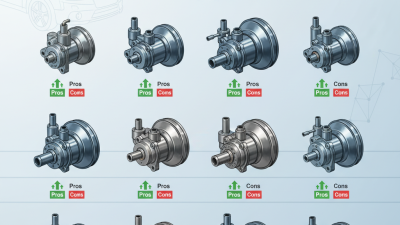
Comparing Different Types of Brake Vacuum Pumps: Pros and Cons
When selecting a brake vacuum pump, understanding the pros and cons of different types is essential. There are generally three categories: diaphragm pumps, rotary vane pumps, and electric vacuum pumps. Diaphragm pumps are known for their reliability and lower noise levels. However, they may not be as powerful as the other options, which could affect performance in high-demand situations.
Rotary vane pumps are popular for their efficiency and strong vacuum performance. They excel in heavy-duty applications. Yet, these pumps can be louder and may require more maintenance. On the flip side, electric vacuum pumps offer convenience and ease of use. They are quiet and can be integrated into various systems. But, reliance on electrical power can be a drawback in certain scenarios.
When choosing a vacuum pump, consider the specific demands of your vehicle and driving conditions. Assess your needs before making a decision. It helps to evaluate how frequently you’ll use the pump and in what environment.
Pay attention to maintenance requirements. Some pumps need more care, which can be inconvenient. Ensure you consult user manuals or professional guidance for best practices. It’s wise to seek advice from specialists in your area. Their expertise can help you avoid costly mistakes.
Evaluating Pump Specifications: Flow Rate, Pressure, and Efficiency
When selecting a brake vacuum pump, evaluating specifications is crucial. The flow rate indicates how much air the pump can handle over time. A typical automotive application often requires a flow rate of 20-30 L/min. In contrast, high-performance systems may need up to 100 L/min. Understanding your vehicle's specific requirements is vital to prevent inefficiencies.
Pressure ratings also play a significant role. Most brake systems operate effectively at pressures between 15 to 25 inHg. If the pump cannot maintain adequate pressure, it may lead to brake failure or reduced responsiveness. Reports suggest that even minor discrepancies in pressure can affect brake performance, sometimes leading to severe safety issues.
Efficiency is another key parameter. The best pumps convert about 80-90% of energy into usable vacuum. Many factors can influence this, including the design and materials used in the pump. It's essential to consider these elements, as an inefficient pump can generate excess heat. This may lead to premature wear or even a complete breakdown. Evaluating these specifications thoroughly will help in making an informed decision for your specific needs.
Budget Considerations: Cost vs. Quality in Brake Vacuum Pump Selection
When selecting a brake vacuum pump, budget is often a significant concern. Many users face the dilemma of choosing between cost and quality. A lower-priced pump may save money upfront but could lead to problems later. In contrast, a more expensive option might offer reliability and performance, which is essential for vehicle safety.
Quality often requires investment. Cheaper pumps may use inferior materials that wear out quickly. This leads to additional repairs or even accidents. It's crucial to research materials and build quality. Look for pumps with detailed specifications. User reviews can also give insight into long-term performance.
Sometimes, the highest-priced options don’t guarantee the best performance. Users may find that mid-range products serve them well. Assess features that align with your specific needs. Don’t get swayed by flashy marketing. Focus on function and reliability. This approach may feel uncomfortable, but it often pays off in the long run. Consider your typical driving conditions and requirements. Each detail matters in making the best choice for your brake vacuum pump.
Brake Vacuum Pump Quality vs. Cost Analysis

 +86-13516964051


 CONTACT NUMBER
 CONTACT NUMBER