How to Choose the Best Metal Casting Machine for Your Needs?
Choosing the right Metal Casting Machine can significantly impact your production efficiency and quality. According to a market analysis by Research and Markets, the global metal casting market is expected to reach $165 billion by 2027, driven by industrial growth and technological advancements. This underscores the importance of making informed decisions when selecting casting machinery.
Experts like Dr. Emily Whittaker, a prominent figure in the manufacturing field, stress the need for careful evaluation. She states, "Investing in the right Metal Casting Machine can be the difference between success and failure in metal production." Her insights highlight the complexity of the decision-making process. Factors like material compatibility, machine capacity, and technological features should be critically assessed.
Select wisely. A poorly chosen Metal Casting Machine may lead to inefficiencies, increased costs, and setbacks. Researching your options, reviewing manufacturer specifications, and seeking expert advice can prevent common pitfalls. Ultimately, the goal is to enhance production capabilities while minimizing waste and maximizing quality.
Understanding Different Types of Metal Casting Machines Available
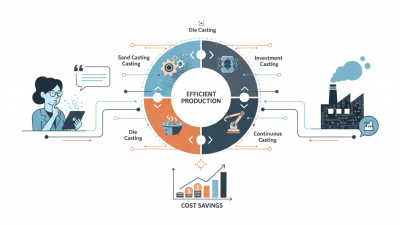
When selecting a metal casting machine, understanding the available types is crucial. There are several main categories:
sand casting machines, die casting machines, and
investment casting machines. Each type has unique features suited for various applications.
Sand casting is renowned for its versatility and cost-effectiveness. It uses sand as a mold material, ideal for creating complex shapes.
According to industry reports, sand casting accounts for nearly 60% of metal casting processes globally.
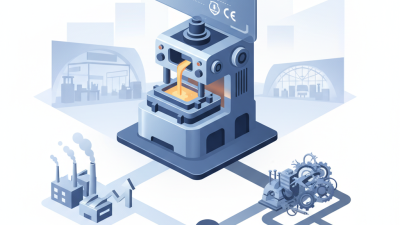
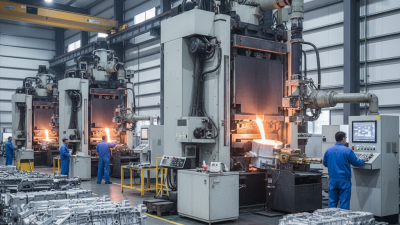
Die casting machines excel in producing high volumes of precise parts. This method involves forcing molten metal into a mold. The result is a strong, high-quality finish, making it popular in automotive and electronics industries. However, initial tooling costs can be significant.
Investment casting is best for intricate designs requiring fine detail. It typically offers superior dimensional accuracy. Reports suggest investment casting is gaining traction, projected to grow by over 12% annually in the next five years.
Tip: Consider your production volume. If you need small batches, sand casting may be optimal. For large-scale production, die casting could be more effective. Analyze your budget and specific needs to ensure the best choice. Sometimes, even experienced manufacturers face challenges in balancing cost with quality. Take your time to evaluate each option carefully.
Key Factors to Consider When Choosing a Metal Casting Machine
Choosing the right metal casting machine requires careful consideration of several key factors. Start by evaluating the machine's capacity and size. A machine that is too small may limit your production, while one that is too large can waste resources. Think about the types of metals you will be using. Different machines have varying capabilities with specific materials.
Another crucial factor is the machine's technology. Automated systems can enhance precision and efficiency, but they often come with higher costs. Assess your budget and consider whether investing in advanced technology will bring long-term benefits. Reliability and maintenance should not be overlooked. A machine that frequently breaks down can lead to significant downtime.
**Tips:** Always research the technical specifications. Compare models to find the right fit. It might help to talk to experienced operators for insights. Seek out reviews from other users. Their experiences can reveal hidden pros and cons that you might not find in manuals.
Also, reflect on your production goals. Are they short-term or long-term? This will impact the machine's features that matter most. Be realistic about your needs and future growth. Choosing a machine is not just about today; anticipate where you want to go.
Assessing Your Production Volume and Material Requirements
When selecting a metal casting machine, understanding your production volume is vital. Low to medium production often suits smaller, manual machines. These machines are less costly and easier to handle. However, for high-volume production, investing in automated solutions may be necessary. They offer speed and consistency but come at a higher price. Assessing your output needs can help you avoid over or under-investing.
Material requirements also play a significant role in your decision. Different machines accommodate various metals, from aluminum to molten iron. Each material reacts differently under heat, influencing the machine's design. If you aim to work with multiple materials, versatility should be a priority. Not all machines are equipped to handle diverse materials efficiently. Multipurpose machines can yield flexibility but often compromise on performance.
It's common to underestimate the complexities involved. Machine maintenance and operator training can add unanticipated costs. You might find that a machine thought to be ideal fails to meet practical needs due to oversight on material specifics or volume discrepancies. Reflecting on these aspects is crucial to ensure a reliable casting process.
Evaluating Budget Constraints and Cost-Effectiveness
When choosing a metal casting machine, budget constraints often play a crucial role. It's essential to evaluate both initial costs and long-term expenses. Some machines may seem cheaper but end up consuming more energy or requiring frequent repairs. This leads to hidden costs that could exceed your expectations. Thorough research is necessary to understand the total cost of ownership.
Analyze your specific needs. Are you working on small-scale projects or larger productions? Small projects may require less sophisticated machines, allowing you to save money. However, opting for lower-end models can mean sacrificing efficiency. A machine that frequently breaks down demands more investment in repairs.
Don’t overlook the importance of expert advice. Consult industry professionals to gain insights into reliability and performance of various machines. Their experiences can save you from costly mistakes. Keep in mind that investing in a higher quality machine may prove more cost-effective in the long run. Reflect on your choices, considering both immediate costs and future needs. This balanced perspective can lead to more informed decisions, ensuring that you get the best value for your investment.
Exploring Maintenance and Support Options for Casting Machines
When selecting a metal casting machine, maintenance and support options play a crucial role. Regular maintenance ensures optimal performance and extends the lifespan of the machine. Understanding the maintenance schedule is vital. Some machines require daily checks, while others need weekly or monthly servicing. Referencing user manuals can help clarify these needs.
Support options vary widely between manufacturers. Some may offer extensive online resources, while others rely on on-site technicians. Consider the availability of customer support after the purchase. In some cases, users find themselves waiting too long for assistance. This may lead to production delays. Developing a relationship with a local technician could mitigate this issue.
Reflecting on experiences, reviews from fellow users often highlight maintenance challenges. Some have shared stories of neglecting simple upkeep, leading to costly repairs. Others emphasize the importance of training staff in maintenance procedures. Investing in training can ultimately save time and money. Make sure to gather insights from diverse sources. It's essential to form a well-rounded view before committing to a machine.
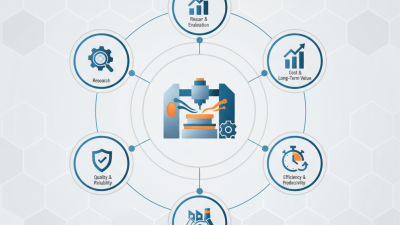
Metal Casting Machine Performance and Maintenance Options

 +86-13516964051


 CONTACT NUMBER
 CONTACT NUMBER