Leave Your Message

10 Best Aluminium Dies Suppliers for Global Buyers

Choosing the right aluminium die supplier can shape product quality, production speed, and long-term purchasing costs. Global buyers often compare suppliers by price, yet the lowest quotation may hide weak tooling control or inconsistent inspection. This guide reviews ten aluminium die suppliers with practical criteria, including manufacturing experience, material knowledge, delivery performance, and after-sales support.

A dependable supplier should explain its die design process clearly. Look for evidence of CAD capability, CNC machining, heat treatment, and dimensional inspection. Ask how the supplier manages shrinkage, surface defects, and repeated production cycles. Sample reports, tolerance records, and factory photographs can reveal more than polished sales language. Buyers searching for Dies Aluminium may also find regional terminology differences, so specifications must remain precise.

Supplier location matters, but communication matters more. A responsive team should confirm alloy grades, die size, projected volume, packaging requirements, and shipping documents before production begins. It should also identify possible risks instead of promising everything without questions. That is important. No supplier list stays perfect for long, because capacity, raw material prices, and export conditions can change. Some companies may perform well on small orders but struggle with urgent volume production. Others may offer excellent engineering support but lack flexible payment or logistics options. These limitations deserve attention. The following selection is designed to help buyers build a realistic shortlist, verify claims independently, and choose a supplier that fits their application rather than relying on reputation alone.
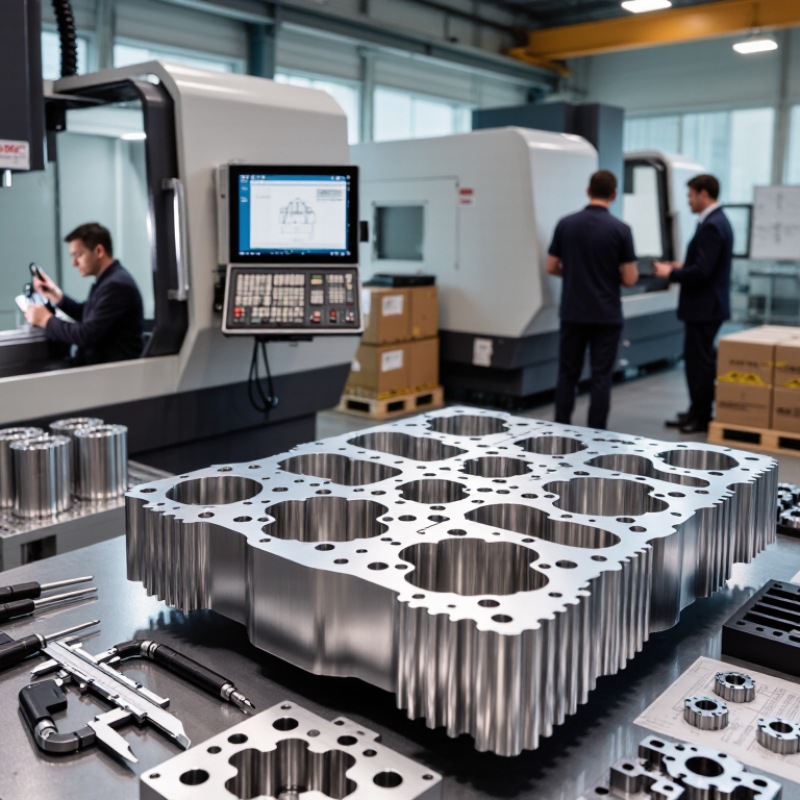
10 Best Aluminium Dies Suppliers for Global Buyers

What Aluminium Dies Are and Why Global Buyers Need Them

Aluminium dies are precision-made tools that shape heated aluminium into specific profiles. In extrusion, a billet is pushed through a die opening under high pressure. The opening controls the final form, wall thickness, and surface appearance. Dies may create window frames, heat sinks, rails, tubes, or custom industrial sections.

Global buyers need reliable dies because small design errors can cause large production losses. An uneven bearing can produce twisted profiles or inconsistent dimensions. A well-engineered die supports stable output, lower scrap rates, and fewer machine stoppages. Buyers should share accurate drawings, alloy details, profile dimensions, and expected production volume. Samples are also useful. They reveal problems that drawings sometimes hide.

Material selection matters. Hardened tool steel, proper heat treatment, and polished surfaces can improve die life. However, no die lasts forever. Maintenance, cleaning, and controlled production settings still affect performance. During supplier evaluation, request inspection records, trial-run results, tolerance data, and clear replacement procedures. Ask how the supplier handles revisions when the first trial is not perfect. This matters in international purchasing, where shipping delays and unclear communication can increase costs. A low quotation may look attractive, but weak technical support can make it expensive later. The best supplier is not always the cheapest. Reliability needs evidence.
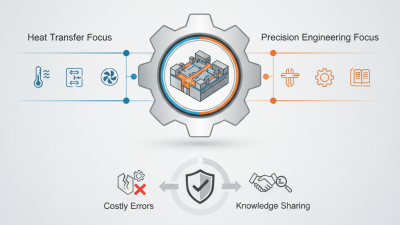
Key Criteria for Evaluating Aluminium Die Suppliers

Choosing an aluminium die-casting supplier requires more than comparing quoted prices. The USGS Mineral Commodity Summaries 2024 estimated global primary aluminium production at about 70 million metric tons in 2023. That scale makes traceability essential. Ask for alloy certificates, batch records, heat-treatment logs, and a clear nonconformance process. A dependable supplier should identify the furnace, lot number, and inspection date behind every shipment. Small details matter.

Technical capability deserves measurable proof. Request sample dies, dimensional reports, porosity results, and cycle-life evidence from comparable geometries. Confirm tolerance control with CMM reports, not verbal promises. Review cooling-channel design, venting, insert replacement, and spare-part lead times. Supplier capacity should match your forecast, including peak months. A low price can hide weak maintenance.

Sustainability also needs evidence. The International Aluminium Institute’s Aluminium Sector Greenhouse Gas Pathways to 2050 reports that recycled aluminium requires roughly 5% of the energy used for primary aluminium. Evaluate scrap segregation, recycled-content records, and factory energy data. Environmental claims need clear boundaries. Factory only, or the full product life cycle? Audits can look excellent while communication fails during a tool change. Test response speed with a controlled engineering question before signing. No checklist is perfect.

Regional Strengths of Leading Aluminium Die Manufacturers

Regional strengths matter when selecting aluminium die suppliers. Asia offers deep tooling ecosystems, large melting capacity, and competitive production costs. USGS Mineral Commodity Summaries 2024 estimated global primary aluminium output at about 70 million metric tons in 2023. This scale supports stable material access across major Asian manufacturing clusters. Many suppliers also provide machining, surface treatment, and assembly nearby. That reduces transport between production stages.

Europe is stronger in tight-tolerance components, traceability, and lower-carbon production methods. The International Aluminium Institute reports that transport consumes about 26% of global aluminium use, keeping lightweight components strategically important. European facilities often serve automotive and industrial buyers requiring detailed process records. North American suppliers benefit from shorter delivery routes and strong demand from vehicle, energy, and machinery sectors. Nearshoring can simplify audits, but capacity may be less flexible during demand surges.

The Gulf region offers energy advantages and modern smelter infrastructure, while India and Southeast Asia provide expanding labour pools and growing domestic markets. Regional strength is not uniform. A lower quotation may conceal longer tooling schedules, weaker inspection systems, or higher freight exposure. Buyers should compare alloy control, porosity testing, die-life records, and corrective-action response. I would also request recent batch data, not only polished samples. That small distinction often changes the supplier ranking.

10 Best Aluminium Dies Suppliers for Global Buyers - Regional Strengths of Leading Aluminium Die Manufacturers

Rank Anonymous Supplier Profile Primary Region Main Regional Strength Common Die-Casting Processes Typical Product Focus Typical Export Advantage Quality Frameworks Commonly Available
1 Supplier Profile A East Asia High-volume production, broad machine capacity, and competitive tooling costs High-pressure die casting, vacuum die casting, CNC machining Automotive housings, electronics enclosures, lighting components Large supplier base, established tooling ecosystem, and extensive ocean-freight connectivity ISO 9001; IATF 16949 available for automotive-focused facilities
2 Supplier Profile B Central Europe Engineering precision, process control, and advanced automotive applications High-pressure, low-pressure, gravity die casting, machining Powertrain parts, structural components, industrial equipment Strong access to European OEM and Tier 1 supply chains ISO 9001; IATF 16949; ISO 14001 commonly requested
3 Supplier Profile C Southern Europe Automotive components, design support, and flexible medium-volume production Gravity die casting, low-pressure casting, high-pressure die casting Automotive brackets, pump bodies, transmission and chassis parts Short delivery routes to EU customers and established aluminium foundry expertise ISO 9001; IATF 16949 commonly available in automotive supply chains
4 Supplier Profile D Japan Tight tolerances, disciplined production systems, and complex small-to-medium parts High-pressure die casting, precision machining, surface finishing Automotive electronics, robotics, sensors, and compact mechanical parts High reputation for consistency and long-term engineering collaboration ISO 9001; IATF 16949; structured quality-control systems
5 Supplier Profile E South Korea Automotive, battery-related equipment, electronics, and automated manufacturing High-pressure die casting, vacuum-assisted casting, CNC finishing Motor housings, inverter cases, electronic and mobility components Strong regional electronics and automotive supplier networks ISO 9001; IATF 16949 frequently used by automotive suppliers
6 Supplier Profile F South Asia Cost-effective production, growing automotive capacity, and integrated machining High-pressure, gravity die casting, CNC machining, powder coating Automotive components, electrical fittings, pumps, and industrial hardware Competitive labor costs and expanding English-language engineering support ISO 9001; IATF 16949 available among automotive-oriented manufacturers
7 Supplier Profile G Türkiye European proximity, automotive manufacturing, and medium-volume flexibility High-pressure and gravity die casting, machining, assembly Automotive parts, commercial-vehicle components, appliances, and machinery Convenient road and sea freight access to European markets ISO 9001; IATF 16949 commonly required for automotive programs
8 Supplier Profile H North America Complex engineering, domestic support, and demanding automotive or industrial programs High-pressure, vacuum die casting, permanent mold casting, machining Automotive structural parts, aerospace-support hardware, industrial housings Shorter regional lead times and close customer communication ISO 9001; IATF 16949; sector-specific approvals may apply
9 Supplier Profile I Mexico Nearshoring, automotive production, and integrated casting-to-assembly services High-pressure die casting, machining, assembly, leak testing Automotive powertrain, thermal-management, and structural components Geographic proximity to the United States and established North American supply chains ISO 9001; IATF 16949 widely used in automotive manufacturing
10 Supplier Profile J Southeast Asia Electronics manufacturing, export-oriented production, and competitive tooling support High-pressure die casting, gravity casting, CNC machining, finishing Consumer electronics, electrical equipment, motor parts, and industrial products Growing regional manufacturing base and access to major Asian logistics routes ISO 9001; ISO 14001 and IATF 16949 available depending on facility scope

Note: The profiles summarize commonly documented regional capabilities in the aluminium die-casting industry. Certification availability, machine capacity, alloy range, tolerances, and export terms should be verified directly with each shortlisted manufacturer.

10 Notable Aluminium Dies Suppliers for International Buyers

International buyers assessing aluminium die suppliers should look beyond polished catalogs and low quotations. A capable supplier explains alloy compatibility, die steel selection, heat treatment, and expected service life in clear terms. Ask for dimensional inspection records, material certificates, and sample profiles before approving production. Small details matter, such as a 0.02-millimeter tolerance or a clean bearing surface.

Communication is equally important. Not every supplier handles overseas projects well. Reliable partners provide drawings in common formats, confirm technical changes in writing, and share realistic production schedules. They should also understand export packaging, customs documents, and destination requirements. During supplier evaluations, buyers can compare response time, engineering questions, factory equipment, and after-sales support. A supplier that notices an unclear corner radius may be more valuable than one offering the lowest price.

My practical view is simple: request a trial die whenever the order is complex. It reveals polishing quality, correction skills, and actual profile consistency. Still, no supplier is perfect. Lead times may shift, and inspection data can require independent verification. I would also question impressive claims without supporting records. Visiting a facility, when possible, adds useful evidence: organized tool storage, marked steel batches, calibrated measuring equipment, and technicians checking edges under bright light. These details often reveal working standards better than a sales presentation.

How to Select the Right Supplier for Your Project

How to Select the Right Aluminium Dies Supplier for Your Project

Choosing among the 10 best aluminium dies suppliers requires more than comparing unit prices. Start with the die’s purpose, alloy, profile complexity, expected volume, and tolerance requirements. A supplier should explain die steel selection, heat treatment, machining accuracy, and correction procedures clearly. Ask for inspection records, sample profiles, and dimensional reports from similar projects. Useful evidence beats polished promises.

Industry data adds context. The U.S. Geological Survey estimated global primary aluminium production at approximately 70 million metric tons in 2023. This scale creates strong demand for reliable tooling and stable production capacity. The International Aluminium Institute also reports that aluminium recycling uses roughly 5% of the energy required for primary production. Suppliers with practical scrap-control and remelting knowledge may therefore support both cost and sustainability goals.

Check more than certificates. Audit communication speed, drawing control, tool-life records, packaging, and replacement support. Request a written timeline with trial, correction, approval, and shipment stages. A cheap quotation can hide repeated modifications. It still looks attractive. However, one poorly controlled die can damage weeks of extrusion output. A checklist may also miss human judgment. Ask how the supplier handled a failed trial, not only its successful case studies. Reports from the OECD and ISO quality guidance can support your review, but direct technical evidence should decide the purchase.

How to Select the Right Aluminium Die Supplier

This chart presents a practical evaluation-weighting model for global buyers. Dimensional accuracy and die quality receive the highest priority, followed by traceability, lead time, production capacity, quality systems, engineering support, export compliance, and total cost.