How to Choose the Best Aluminum Casting Machine for Your Needs?
Choosing the right Aluminum Casting Machine is crucial for your production needs. It can greatly impact efficiency and product quality. With many options available, making a decision can feel overwhelming.
Consider your specific requirements. Different machines serve various purposes. For instance, some are designed for high-volume production, while others focus on precision and detail. Understanding your goals will guide your choice.
Reflect on the complexity of the task. An ideal machine should align with your workflow and budget. Always research and ask for expert opinions. This ensures you are making an informed choice. Remember, investing in the right equipment pays off in the long run.
Understanding Aluminum Casting Machines and Their Functions
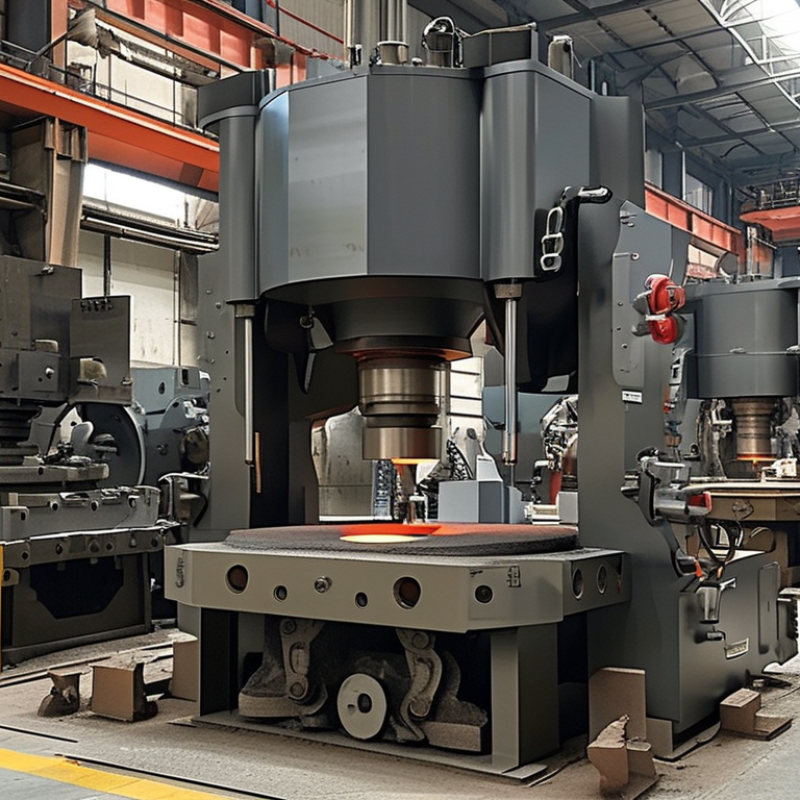
Aluminum casting machines play a crucial role in manufacturing processes. They transform raw aluminum into intricate shapes for various applications. Understanding their functions can help you make informed choices when selecting the right machine.
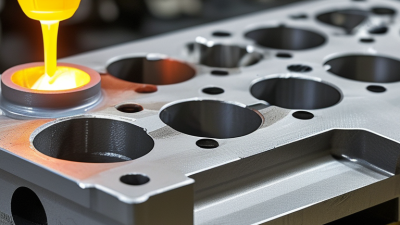
These machines typically utilize two primary methods: sand casting and die casting. Sand casting is versatile and more suitable for large, complex parts. However, it may lead to rough surface finishes. Die casting offers higher precision and smoother surfaces but is often limited to simpler designs. Each method has its pros and cons, which require careful consideration.
Evaluating specific criteria can simplify your decision. Think about production volume, part complexity, and desired finish quality. Reflect on your project's requirements. Are you prioritizing speed, or is detail more important? Making these considerations can lead to a more tailored selection. An informed choice will ultimately enhance efficiency and performance in your casting projects.
Assessing Your Production Requirements and Specifications
When assessing your production requirements for an aluminum casting machine, several key factors must be taken into account. It is crucial to define your production volume. According to industry reports, companies producing over 10,000 units per year usually benefit from automated solutions. In contrast, smaller operations might find manual machines sufficient for their needs. This distinction can significantly impact your initial investment and operational efficiency.
Additionally, consider the types of aluminum alloys you plan to use. Certain machines are better suited for specific alloys, which can affect your product's quality and durability. For example, a foundry that regularly works with high-strength alloys often needs advanced features, such as temperature control systems. A study by the Aluminum Association highlighted that the choice of proper casting equipment can lead to a 15-20% reduction in material waste, directly improving profit margins.
You should also evaluate the space and maintenance considerations for your production facility. A compact design might appeal to smaller workshops, but it can limit future scalability. Another important aspect is energy consumption. Annual energy costs can constitute over 30% of total operational expenses, making it essential to select an energy-efficient model. Reflecting on these criteria will help ensure that you choose a machine that is not only effective but also aligned with your long-term growth strategy.
Key Features to Consider When Choosing a Casting Machine
When selecting an aluminum casting machine, certain key features must be prioritized. Understanding the casting method is essential. Most machines utilize gravity, low-pressure, or die casting techniques. Each technique has unique advantages, depending on the product specifications. According to a recent industry report, die casting yields higher dimensional accuracy and smoother finishes, vital for precision components.
Another critical aspect is the machine's capacity. Look for machines that can handle the desired weight and complexity of your aluminum parts. A machine’s tonnage rating directly affects its process stability and efficiency. Research shows that a 20% increase in machine tonnage can lead to a significant improvement in overall production quality.
Automation is increasingly important in modern casting operations. Machines equipped with advanced controls can boost productivity and reduce labor costs. A survey indicated that facilities using automated features saw a 30% reduction in production times. However, consider the learning curve associated with these technologies. Operators may need additional training to fully utilize complex systems, which could temporarily hinder production. Balancing automation with skill development remains an ongoing challenge in many facilities.
Evaluating Manufacturer Reputation and Support Services
When selecting an aluminum casting machine, it's crucial to evaluate the manufacturer's reputation. Research online reviews, forums, and industry publications. A company with a strong reputation usually reflects quality and reliability. Look for testimonials from other users. Their experiences provide valuable insights into the machine's performance.
Support services are equally important. A reputable manufacturer should offer excellent customer service. This includes training, installation, and ongoing technical support. Ask potential manufacturers about their service options. Will they provide on-site assistance? Consider response times for technical issues. Quick support minimizes downtime and enhances productivity.
Keep in mind that no manufacturer is perfect. Some users may report challenges with certain models. Investigate these issues. Are they design flaws or simply user errors? Learning about common pitfalls can guide your decision. Prioritize companies that learn from mistakes and improve their products. This approach leads to better long-term investments.
Budgeting for Your Aluminum Casting Machine Purchase and Maintenance
When considering the purchase of an aluminum casting machine, budgeting is critical. The initial cost can be substantial, often ranging from thousands to tens of thousands of dollars. It's essential to research and compare different options. Look for machines that fit your production needs without overshooting your budget.
Maintenance costs can also add up over time. Regular upkeep is necessary to prevent costly repairs. Allocate funds for spare parts, lubricants, and servicing. These factors often get overlooked. Ignoring them can lead to unplanned expenses.
Additionally, consider energy consumption. Some machines may save costs in the long run with efficient energy use. Factor in operational costs when making your decision. This holistic approach will help ensure that your investment meets both immediate and future needs. Reflect on your long-term goals, as this will guide your financial planning effectively.

 +86-13516964051


 CONTACT NUMBER
 CONTACT NUMBER