Top 5 Aluminum Casting Machines You Should Buy?
The demand for aluminum casting machines is growing rapidly in various industries, with projections indicating an expected growth rate of 6.3% annually until 2027. Industries such as automotive and aerospace are increasingly relying on aluminum components, primarily due to their lightweight nature and resistance to corrosion. Investing in an aluminum casting machine is crucial to meet this rising demand.
Selecting the right aluminum casting machine can greatly influence production efficiency. A well-chosen machine optimizes performance and ensures high-quality output. Manufacturers often overlook specific features that can enhance productivity. For instance, automation capabilities and energy efficiency are becoming vital aspects that influence long-term operational costs.
As with any investment, potential buyers must conduct thorough research. An ideal aluminum casting machine should not only fulfill immediate production needs but also adapt to future trends. Seeking expert insights and industry reports can guide your choices effectively. Balancing attributes like speed, precision, and energy consumption requires careful thought. Understanding these complexities is essential and can lead to better decision-making.
Overview of Aluminum Casting Machines and Their Applications
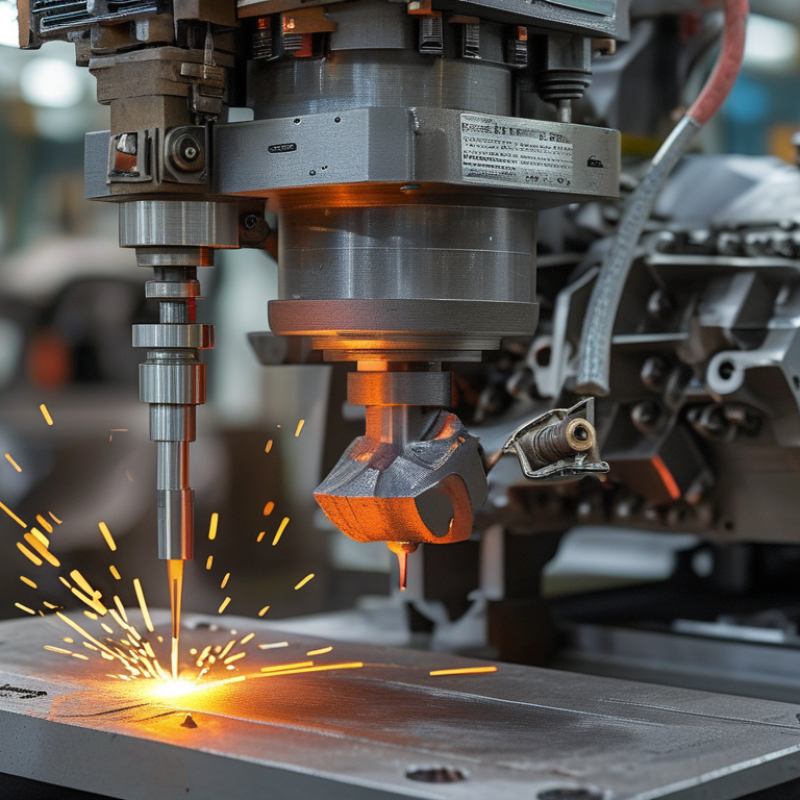
Aluminum casting machines are essential in the manufacturing industry. They enable the production of complex shapes with precision and efficiency. These machines are widely used for creating automotive parts, aerospace components, and various industrial applications. The versatility of aluminum makes it a preferred choice in many sectors.
Selecting the right aluminum casting machine involves understanding your specific needs. Consider the type of projects you will undertake. Evaluate the machine's capacity, speed, and accuracy. This helps ensure optimal performance. The size and complexity of the castings should also factor into your decision.
When using aluminum casting machines, proper maintenance is crucial. Regularly clean and lubricate the machines to maintain their efficiency. Inspect components for wear and tear. This small step can prevent larger issues down the road. Always train operators thoroughly. Well-informed users make fewer mistakes and enhance safety.
In addition, it’s vital to stay updated with industry trends. Advances in materials and technology are constant. Adapting to these changes can improve productivity and reduce costs. Engaging with expert communities can offer insights that inform your practices. Experimenting with different casting techniques can yield better results and innovation in your processes.
Factors to Consider When Choosing an Aluminum Casting Machine
When choosing an aluminum casting machine, several factors come into play. The type of casting process is crucial. For instance, permanent mold casting and sand casting serve different purposes. A report from the International Journal of Advanced Manufacturing Technology highlights that permanent mold casting is more efficient for high-volume production, while sand casting remains versatile for intricate designs.
Another key factor is the machine's capacity and power consumption. High-capacity machines can handle larger molds but may lead to higher operational costs. According to a recent market analysis, optimizing energy efficiency can reduce operational costs by up to 30%. These savings are significant for businesses looking to enhance profit margins.
Maintenance considerations also play a vital role. Machines requiring complex maintenance schedules may incur unexpected downtime. While newer models boast advanced diagnostics, their reliability can vary. It's essential to weigh the benefits of cutting-edge technology against potential service issues. Investing in a machine that balances performance and simplicity can lead to better long-term productivity. Always examine user reviews and industry feedback to get a comprehensive view of a machine’s performance.
Top Features of High-quality Aluminum Casting Machines
When considering aluminum casting machines, it’s crucial to focus on their essential features. High-quality machines offer precise temperature control, ensuring consistent melting of aluminum. Uniform heat distribution prevents hot spots, which can lead to defects. This precise regulation is vital in producing high-quality castings with excellent surface finishes.
Another important feature is automation capability. Modern casting machines often include programmable settings for different alloys. This flexibility reduces manual errors and increases efficiency. Operators must also look for machines that allow easy integration with existing systems. A user-friendly interface simplifies training and operation for new staff, which can be a challenging process in some facilities.
Durability is a non-negotiable aspect. Machines capable of withstanding high temperatures and harsh conditions tend to perform better over time. However, frequent maintenance might still be required to ensure optimal operation. Evaluating the long-term performance and reliability of these machines is often overlooked, but entirely necessary. Ultimately, thoughtful consideration of these features can lead to better investment decisions.
Detailed Review of the Top 5 Aluminum Casting Machines
In the realm of aluminum casting, selecting the right machine can drastically enhance productivity and reduce waste. Recent industry reports indicate that aluminum casting is expected to reach a market value of over $38 billion by 2026, fueled by increasing demand across various sectors, such as automotive and aerospace. This growth signifies the importance of investing in high-quality casting machines.
When evaluating aluminum casting machines, consider factors like casting speed, accuracy, and ease of use. Many machines today utilize advanced technology to optimize these aspects, leading to better quality outputs. However, not all machines are perfect; some may have a learning curve that can frustrate new operators. Reading user reviews can provide insight into their real-world performance.
Keep in mind that maintenance is crucial for longevity. Regular servicing can prevent unexpected downtimes. Operators often overlook routine checks, which can lead to costly repairs. Ensuring proper training for all users can also minimize mistakes that contribute to waste. A well-trained operator can significantly enhance the efficiency of the machine, proving that human skill is just as critical as the technology itself.
Top 5 Aluminum Casting Machines You Should Buy
| Model |
Casting Capacity (kg) |
Heating Method |
Price Range ($) |
User Rating (out of 5) |
| Model A |
200 |
Induction |
5000 - 7000 |
4.5 |
| Model B |
150 |
Electric |
3000 - 5000 |
4.2 |
| Model C |
250 |
Gas |
6000 - 8000 |
4.7 |
| Model D |
100 |
Induction |
2000 - 4000 |
4.0 |
| Model E |
300 |
Electric |
7000 - 9000 |
4.6 |
Comparative Analysis of Pricing and Value for Aluminum Casting Machines
When considering aluminum casting machines, understanding pricing and value is crucial. In recent reports, the market for these machines has been on the rise, expected to reach a valuation of approximately $8 billion by 2024. While this growth indicates high demand, it's essential to analyze the features that affect the price. For example, machines with automated capabilities tend to cost 20-30% more than manual models. These investments can significantly impact your production efficiency.
One must also consider maintenance costs. Machines requiring specialized parts may incur higher ongoing expenses. Budgeting for these can reduce unexpected financial strain. Data suggests that companies fail to calculate these long-term costs, leading to overextended budgets. Assessing total cost of ownership is key for any purchase decision.
Inspect machines thoroughly before buying. Understanding each feature helps in making informed choices. Seek expert opinions and consult industry reports for insights. Look for machines with good resale value as a hedge against depreciation. Balancing initial cost with potential savings is important. Reflecting on these factors can lead to wiser investments in the aluminum casting sector.
Top 5 Aluminum Casting Machines: Comparative Analysis of Pricing and Value
This chart presents a comparative analysis of the pricing of the top five aluminum casting machines. The data shows the price range, indicating the investment needed for each machine to assist in the decision-making process.

 +86-13516964051


 CONTACT NUMBER
 CONTACT NUMBER